
Surface Finishing Services for Custom CNC Parts
From CNC machining to surface finishing, JeaSnn manages your parts through the manufacturing process and delivers finished components according to your drawings and specifications—simplifying sourcing with one manufacturing partner.
Upload Your Drawings
Surface Finishing & Post-Processing Options
Compare finishing and post-processing options for custom CNC parts based on surface appearance, protection, identification, functional requirements, and material compatibility.

Anodizing
Uses an electrochemical process to form an oxide layer on the metal surface.
Sandblasting
Projects abrasive media onto the exposed surfaces of the part.

Electrophoresis / E-Coating
Uses an electric field to deposit coating particles from a liquid bath onto the part.

Polishing
Mechanically removes a controlled amount of material from the surface.

Mirror Polishing
Refines the surface through successive fine polishing stages.

Painting
Applies liquid paint to a prepared component surface.

Printing
Transfers ink onto selected areas according to the specified artwork.

Laser Etching / Marking
Uses focused laser energy to modify selected areas of the surface.
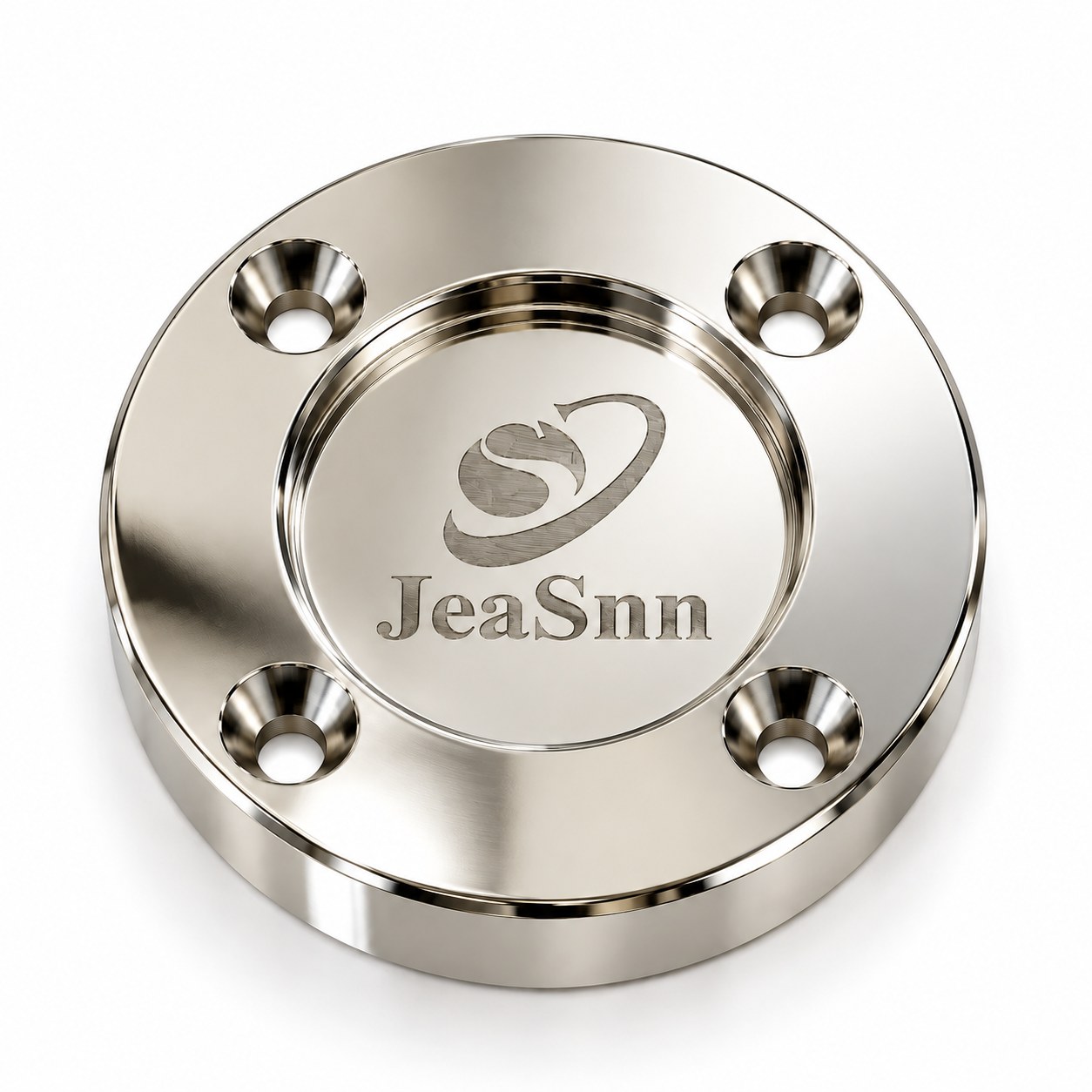
Electroplating
Uses electrical current to deposit a selected metal onto the component surface.

Nickel Plating
Deposits a nickel layer onto a prepared component surface.

Chrome Plating
Deposits a chromium layer onto a prepared metal substrate.

Powder Coating
Applies dry powder to the surface and cures it to form a coating.

Black Oxide
Uses a chemical conversion reaction on suitable ferrous metal surfaces.
Brushing
Uses controlled abrasive contact across the metal surface.

Passivation
Chemically treats suitable stainless steel surfaces.

Heat Treatment
Uses controlled heating and cooling cycles to alter the material structure.
Match the Finish to Your Material
The base material affects how a part responds to finishing. Material grade, surface condition, geometry, and final requirements should be reviewed before the finishing specification is confirmed.
Aluminum
Different aluminum alloys can produce different surface appearance and treatment results. Specify the exact alloy when appearance consistency is important.
Stainless Steel
The stainless steel grade and existing surface condition should be considered together with the required appearance and corrosion performance.
Steel
Steel grade and hardness requirements can affect the appropriate post-processing route, especially when dimensional or mechanical requirements must be maintained.
Copper
Copper finishing should account for conductive or contact areas and the required appearance, while keeping critical surfaces clearly defined on the drawing.
Brass
Alloy composition and the natural surface appearance should be considered when cosmetic consistency or long-term appearance matters.
Titanium
Titanium grades and the intended surface function determine suitable finishing and coating options, including color and wear-related requirements.
Engineering Plastics
Compatibility varies between plastic grades. The exact material should be confirmed before specifying cosmetic or marking requirements.
Define the Finish Requirements for Your Part
Before production, specify the required color, gloss, texture, and surface protection, including corrosion or wear resistance where needed. Identify any holes, threads, or mating surfaces that must remain uncoated or untreated, along with any marking requirements. These details help ensure the selected finishing process meets your drawing and assembly needs.
From CNC Machining to Finished Parts
CNC machining and surface finishing can be coordinated within the same order, reducing the need to manage separate machining and finishing suppliers. Parts move from machining to the specified finishing process and final inspection before being prepared for delivery.
One Order
Combine CNC machining and surface finishing in one order.
Coordinated Processing
Machining and finishing requirements are coordinated throughout production to keep part specifications consistent.
Finished-Part Inspection
Finished parts are checked against the specified drawing and finishing requirements before delivery.
Surface Finishing FAQ
Can multiple surface finishes be used on the same part?
In some cases, yes. Feasibility depends on the material, finish combination, processing sequence, part geometry, and areas that require protection.
Can I request a specific color for finished parts?
Yes, where the selected finishing process supports color options. Provide the required color or reference specification with your RFQ for review.
Will the finished color be exactly the same between production batches?
Not always. Color may vary between batches due to differences in material, alloy, surface condition, and finishing process. If appearance consistency is critical, specify the requirement before production.
Can prototypes and production parts use the same surface finish?
In many cases, yes. Material, finish requirements, quantity, and expected appearance should be reviewed to confirm the appropriate process for both prototypes and production parts.
Can surface finishing hide machining marks or surface defects?
Yes, surface finishing can reduce the visibility of machining marks, but it should not be used to hide significant surface defects. The condition of the machined surface can still affect the final appearance.
Cost-efficient Machined Parts at Any Quantity
Upload your CAD file and get a quote with free DFM feedback within 24 hours. From rapid prototypes to mass production — flexible volumes to fit your project.